
The Wearable Sculpture: How the 2026 Met Gala Killed Fast Fashion
The 2026 Met Gala, themed around the "Architecture of the Human Form," has done more than just spark a red-carpet debate; it has ignited a global lifestyle shift known as the "Fashion is Art" Movement. In a swift rejection of the hyper-disposable "ultra-fast fashion" models that dominated the early 2020s, a new generation of consumers is viewing their wardrobes as curated galleries rather than revolving inventories. The movement advocates for Wearable Sculptures—garments that are hand-crafted, structurally significant, and designed to last decades rather than weeks.
This transition is rooted in a 2026 cultural exhaustion with synthetic, mass-produced clothing. Following the gala, search interest in "bespoke tailoring" and "3D-printed bio-textiles" surged by over 300%. Consumers are no longer asking how many items they can buy for $100; they are asking who built the garment, what sustainable materials were utilized, and how its structure complements the biological geometry of the wearer. In 2026, the status symbol has shifted from owning the "latest" look to owning a one-of-a-kind, hand-hewn piece of art.
The Anatomy of a Wearable Sculpture
The "Fashion is Art" movement is defined by three structural and ethical pillars that separate it from traditional retail:
-
Architectural Permanence: These garments utilize internal scaffolding, mycelium-based "leather," and recycled titanium filaments to hold shapes that traditional fabric cannot. They are built to be timeless, resisting the "trend cycles" that drive landfill waste.
-
The "Human-Made" Mandate: In an era of AI-generated design, this movement prioritizes the "Artist’s Hand." Pieces often feature intentional irregularities, hand-stitched reinforcements, and artisanal techniques that are impossible for mass-production machines to replicate.
-
Zero-Waste Geometry: Designers in 2026 are using algorithmic pattern-cutting to ensure that not a single square inch of fabric is wasted. The resulting silhouettes are often avant-garde and "sculptural," born from the mathematical necessity of sustainability.
Consumer Shift: Fast Fashion vs. Wearable Art
FeatureMass-Market Fast Fashion2026 Wearable SculptureLifecycle5–10 wears (Disposable).Decades (Archival).ProductionExploitative / High-Volume.Artisanal / Small-Batch.MaterialsPolyester / Microplastics.Mycelium, Algae, Recycled Metals.AestheticTrend-driven Mimicry.Structural Originality.ValueDepreciates instantly.Appreciates as "Wearable Art."The Economic Impact of "Artisanal Scarcity"
The 2026 shift is creating a new economy centered on "The Maker."
-
The Rise of the Wardrobe Curator: People are hiring professional "Curators" instead of stylists. These experts help individuals source archival pieces and commission new sculptures that function as both clothing and financial investments.
-
The Resale Renaissance: Because wearable sculptures are built with structural integrity, the 2026 secondary market for these pieces is booming. Unlike fast fashion, which falls apart, these garments are being traded on high-end art exchanges.
-
Local Micro-Factories: To support hand-crafted art, we are seeing a rise in urban micro-factories where local artists use 3D-knitting and bio-welding to create custom sculptures, reducing the carbon footprint of global shipping.
Conclusion
The "Fashion is Art" Movement represents a fundamental maturing of the global consumer. By elevating the garment to the status of a sculpture, the 2026 lifestyle trend has successfully decoupled "style" from "consumption." We are moving toward a future where our clothes reflect our values as much as our tastes—where every stitch is a protest against the disposable. As the shadows of the 2026 Met Gala linger, the message is clear: if fashion is art, it deserves to endure. In 2026, we aren't just getting dressed; we are curated.
FAQs
What is a "Wearable Sculpture"?
It is a garment designed with architectural integrity and artistic intent, often using sustainable, rigid, or avant-garde materials that maintain their shape over time.
Why did this trend start in 2026?
It was a direct reaction to the 2026 Met Gala and a growing global backlash against the environmental destruction caused by the fast-fashion industry.
Are these clothes comfortable?
While some are avant-garde "gallery pieces," most 2026 wearable sculptures use ergonomic mapping to ensure they are comfortable for the specific body of the owner.
What materials are used?
Common 2026 materials include mushroom leather (mycelium), 3D-printed recycled plastics, lab-grown silk, and even flexible wood veneers.
Is wearable art expensive?
The upfront cost is higher than mass-market clothes, but the "cost-per-wear" is lower because the pieces are designed to last for a lifetime.
How do I start a "Fashion is Art" wardrobe?
Experts suggest starting with "The Foundational Piece"—one high-quality, hand-crafted item that can be styled in multiple ways and will serve as the anchor of your collection.
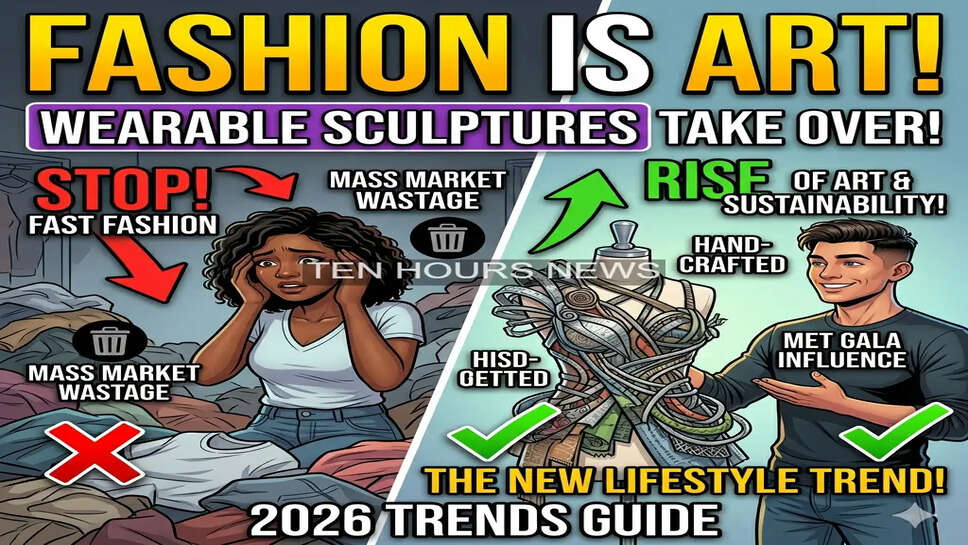
The 2026 Met Gala, themed around the "Architecture of the Human Form," has done more than just spark a red-carpet debate; it has ignited a global lifestyle shift known as the "Fashion is Art" Movement. In a swift rejection of the hyper-disposable "ultra-fast fashion" models that dominated the early 2020s, a new generation of consumers is viewing their wardrobes as curated galleries rather than revolving inventories. The movement advocates for Wearable Sculptures—garments that are hand-crafted, structurally significant, and designed to last decades rather than weeks.
This transition is rooted in a 2026 cultural exhaustion with synthetic, mass-produced clothing. Following the gala, search interest in "bespoke tailoring" and "3D-printed bio-textiles" surged by over 300%. Consumers are no longer asking how many items they can buy for $100; they are asking who built the garment, what sustainable materials were utilized, and how its structure complements the biological geometry of the wearer. In 2026, the status symbol has shifted from owning the "latest" look to owning a one-of-a-kind, hand-hewn piece of art.
The Anatomy of a Wearable Sculpture
The "Fashion is Art" movement is defined by three structural and ethical pillars that separate it from traditional retail:
-
Architectural Permanence: These garments utilize internal scaffolding, mycelium-based "leather," and recycled titanium filaments to hold shapes that traditional fabric cannot. They are built to be timeless, resisting the "trend cycles" that drive landfill waste.
-
The "Human-Made" Mandate: In an era of AI-generated design, this movement prioritizes the "Artist’s Hand." Pieces often feature intentional irregularities, hand-stitched reinforcements, and artisanal techniques that are impossible for mass-production machines to replicate.
-
Zero-Waste Geometry: Designers in 2026 are using algorithmic pattern-cutting to ensure that not a single square inch of fabric is wasted. The resulting silhouettes are often avant-garde and "sculptural," born from the mathematical necessity of sustainability.
Consumer Shift: Fast Fashion vs. Wearable Art
| Feature | Mass-Market Fast Fashion | 2026 Wearable Sculpture |
| Lifecycle | 5–10 wears (Disposable). | Decades (Archival). |
| Production | Exploitative / High-Volume. | Artisanal / Small-Batch. |
| Materials | Polyester / Microplastics. | Mycelium, Algae, Recycled Metals. |
| Aesthetic | Trend-driven Mimicry. | Structural Originality. |
| Value | Depreciates instantly. | Appreciates as "Wearable Art." |
The Economic Impact of "Artisanal Scarcity"
The 2026 shift is creating a new economy centered on "The Maker."
-
The Rise of the Wardrobe Curator: People are hiring professional "Curators" instead of stylists. These experts help individuals source archival pieces and commission new sculptures that function as both clothing and financial investments.
-
The Resale Renaissance: Because wearable sculptures are built with structural integrity, the 2026 secondary market for these pieces is booming. Unlike fast fashion, which falls apart, these garments are being traded on high-end art exchanges.
-
Local Micro-Factories: To support hand-crafted art, we are seeing a rise in urban micro-factories where local artists use 3D-knitting and bio-welding to create custom sculptures, reducing the carbon footprint of global shipping.
Conclusion
The "Fashion is Art" Movement represents a fundamental maturing of the global consumer. By elevating the garment to the status of a sculpture, the 2026 lifestyle trend has successfully decoupled "style" from "consumption." We are moving toward a future where our clothes reflect our values as much as our tastes—where every stitch is a protest against the disposable. As the shadows of the 2026 Met Gala linger, the message is clear: if fashion is art, it deserves to endure. In 2026, we aren't just getting dressed; we are curated.
FAQs
What is a "Wearable Sculpture"?
It is a garment designed with architectural integrity and artistic intent, often using sustainable, rigid, or avant-garde materials that maintain their shape over time.
Why did this trend start in 2026?
It was a direct reaction to the 2026 Met Gala and a growing global backlash against the environmental destruction caused by the fast-fashion industry.
Are these clothes comfortable?
While some are avant-garde "gallery pieces," most 2026 wearable sculptures use ergonomic mapping to ensure they are comfortable for the specific body of the owner.
What materials are used?
Common 2026 materials include mushroom leather (mycelium), 3D-printed recycled plastics, lab-grown silk, and even flexible wood veneers.
Is wearable art expensive?
The upfront cost is higher than mass-market clothes, but the "cost-per-wear" is lower because the pieces are designed to last for a lifetime.
How do I start a "Fashion is Art" wardrobe?
Experts suggest starting with "The Foundational Piece"—one high-quality, hand-crafted item that can be styled in multiple ways and will serve as the anchor of your collection.