
The GLP-1 Addiction Breakthrough: Navigating the 2026 Clinical Shift Toward Using Metabolic Meds for Substance Abuse Treatment
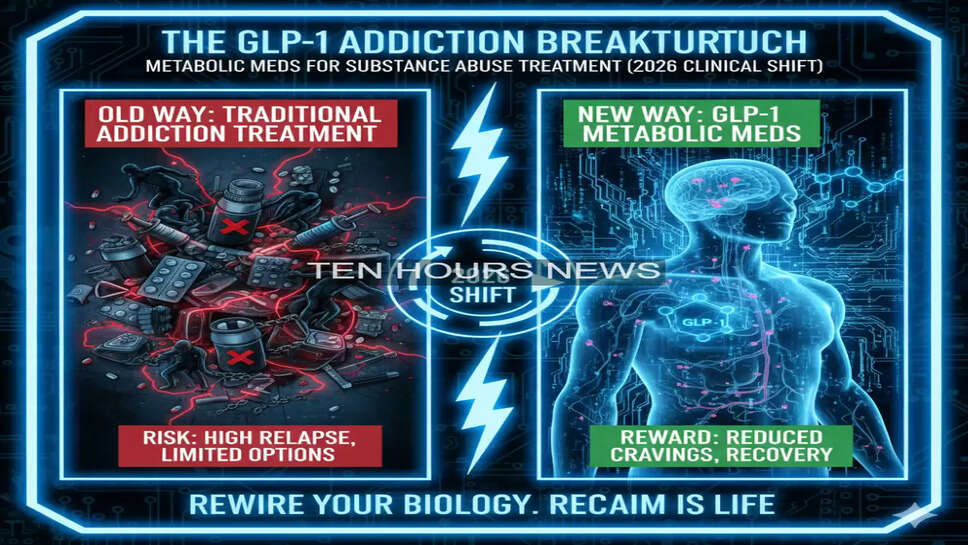
In early 2026, the medical community is witnessing a profound transformation in how we define and treat addiction. For decades, substance use disorders (SUD) were treated primarily through behavioral therapy and a limited cabinet of psychiatric drugs. However, the meteoric rise of Glucagon-Like Peptide-1 (GLP-1) receptor agonists—originally designed for Type 2 diabetes and obesity—has opened a "backdoor" into the brain’s reward circuitry. Patients initially prescribed these drugs for weight loss began reporting a startling side effect: their "urges" for alcohol, nicotine, and even recreational drugs were simply vanishing. By January 2026, what was once anecdotal evidence has coalesced into a major clinical shift, as researchers and clinicians move toward using metabolic medications as the primary "anti-consumption" tools of the decade.
The 2026 shift is anchored in a new understanding of "food noise"—the intrusive, obsessive thoughts about consumption that plague those with obesity. Researchers have found that this same "noise" drives the craving cycles in alcoholics and drug users. By targeting the GLP-1 receptors in the brain's ventral tegmental area (VTA) and nucleus accumbens—the epicenters of the dopamine-driven reward system—drugs like semaglutide and tirzepatide effectively "turn down the volume" on addiction. As of early 2026, this "metabolic-neurological" approach is being hailed as the most significant breakthrough in addiction psychiatry since the development of methadone.
The Mechanism: Silencing the Reward Center
The reason GLP-1 drugs are so effective against addiction in 2026 lies in their ability to modulate dopamine signaling. Normally, substances like alcohol or opioids trigger a massive release of dopamine, reinforcing the desire to consume. GLP-1 receptor agonists, however, blunt this response. When a patient on these medications consumes an addictive substance, they often find the "hit" significantly less rewarding. This process, known as "extinction," helps to rapidly break the cycle of physical and psychological dependence.
In 2026 clinical trials, semaglutide has shown an average 40% reduction in cravings for patients with Opioid Use Disorder (OUD). Even more striking is the data regarding Alcohol Use Disorder (AUD), where patients reported a 50% decrease in "heavy drinking days" within the first three months of treatment. The drugs are not just making people feel full; they are making them "indifferent" to the substances that once controlled their lives. This shift from fighting an urge to simply not having the urge at all is the hallmark of the 2026 metabolic revolution.
Expanding the Scope: From Alcohol to Gambling
While the focus began with alcohol and tobacco, the January 2026 clinical landscape has expanded to include "behavioral addictions." Early results from the "Metabolic Behavior Study" suggest that GLP-1 receptors play a role in all forms of compulsive behavior. Patients treated with tirzepatide for obesity have reported a sudden loss of interest in compulsive gambling, overspending, and even excessive social media use.
This suggests that 2026 may be the year we stop treating different addictions as isolated problems and start treating the underlying "reward dysfunction" as a single metabolic issue. Clinicians are increasingly viewing addiction as a "metabolic-neural mismatch" where the brain’s ancient reward pathways are overwhelmed by modern stimuli. By recalibrating these pathways with GLP-1 agonists, doctors are providing patients with a "biological shield" that allows behavioral therapy to actually take root, leading to much higher long-term recovery rates.
The 2026 Insurance and Accessibility Battle
Despite the overwhelming clinical success, 2026 has also brought a significant battle over accessibility. Because GLP-1 drugs are currently only FDA-approved for diabetes and weight management, their use for addiction is technically "off-label." This has created a massive hurdle for insurance coverage, with many carriers refusing to pay for the high-cost injections when prescribed for SUD.
However, the tide is turning. In January 2026, several major healthcare networks began implementing "Integrated Metabolic Care" programs, arguing that the cost of a weekly GLP-1 injection is far lower than the cost of emergency room visits, rehab stays, and lost productivity associated with untreated addiction. Advocacy groups are now pushing for an "Addiction Breakthrough" designation from the FDA, which would fast-track official approval for these drugs specifically as anti-addiction agents by the end of the year.
Conclusion
The 2026 shift toward metabolic medications for addiction treatment marks the end of the "willpower" era of recovery. By addressing the biological roots of craving through the gut-brain axis, GLP-1 drugs are offering a lifeline to millions who have failed traditional treatments. While the logistical and financial hurdles remain, the clinical reality is undeniable: we have found a way to quiet the "noise" of addiction. As we look toward the rest of 2026, the integration of metabolic health and addiction medicine promises a future where recovery is defined not by a constant struggle against the self, but by a restored sense of biological balance.
FAQs
How do weight-loss drugs like Ozempic treat addiction?
They target receptors in the brain's reward center (the dopamine pathway). This reduces the "reward" feeling from substances like alcohol or drugs, making it easier for the brain to stop craving them.
Is it officially FDA-approved for addiction in 2026?
As of January 2026, it is primarily used "off-label" for addiction. However, major clinical trials are nearing completion, and an official FDA designation for Substance Use Disorder is expected later this year.
Does it work for all types of addiction?
The strongest data currently exists for alcohol, nicotine, and opioids. Emerging 2026 research suggests it may also help with behavioral addictions like gambling and compulsive shopping.
Are there side effects when using it for addiction?
The side effects are the same as when used for weight loss, primarily gastrointestinal issues like nausea. However, many patients in addiction recovery find these side effects a small price to pay for the "silencing" of their cravings.
Will insurance cover GLP-1s for addiction treatment?
This is a major topic of debate in 2026. While many private insurers still refuse coverage for off-label use, some progressive health systems are beginning to cover it as part of comprehensive recovery programs.